
UPCOMING EVENTS

Health Volunteer Network
Help Us Build a Healthier L8 Community
Join the Health Volunteer Network and make a direct, lasting difference in the lives of your neighbours.
Ways you can help
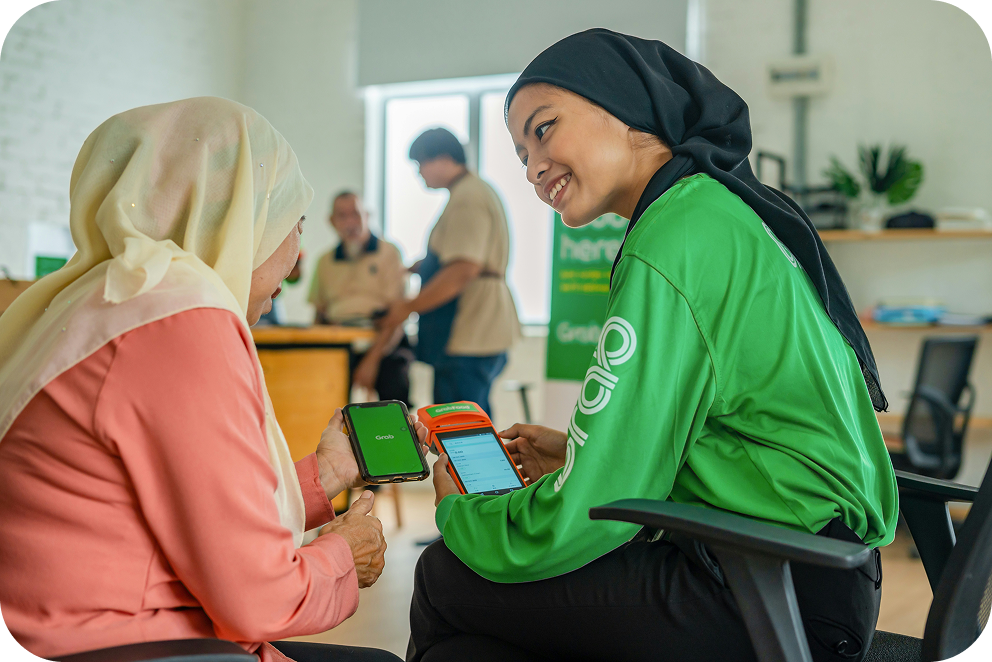
You don’t need a medical background to make an impact. Our Health Volunteer Network programme will train bilingual women with practical health skills and services to help improve health outcomes for BAME communities in Liverpool, using their interpreting skills to support vulnerable individuals in understanding health information and accessing healthcare. Women will be able to access volunteering roles with local organisations and grow our volunteers’ network.
What you will gain
We will provide all the training and support you need to thrive

Health Navigators
Guide patients through local health services and community resources.
Wellness Companions
Provide friendly check-ins, emotional support, and company for isolated residents.
Event Assistants
Help run local health fairs, vaccination drives, and wellness workshops.
Outreach Advocates
Distribute vital health information and educational materials in your local community.
Benefits
Connect
Connect – Meet passionate, like-minded locals who care about community health.
Gain Skills
Build experience in community health, communication, and care giving.
Give Back
See the direct impact of your time on your neighbours’ well-being.
Scan / Click the QR CODE below for more info

Clubmoor Allotments
Come and grow, learn, and celebrate with us
We are creating workshops where you can build your gardening skills, including beekeeping and outdoor cooking.
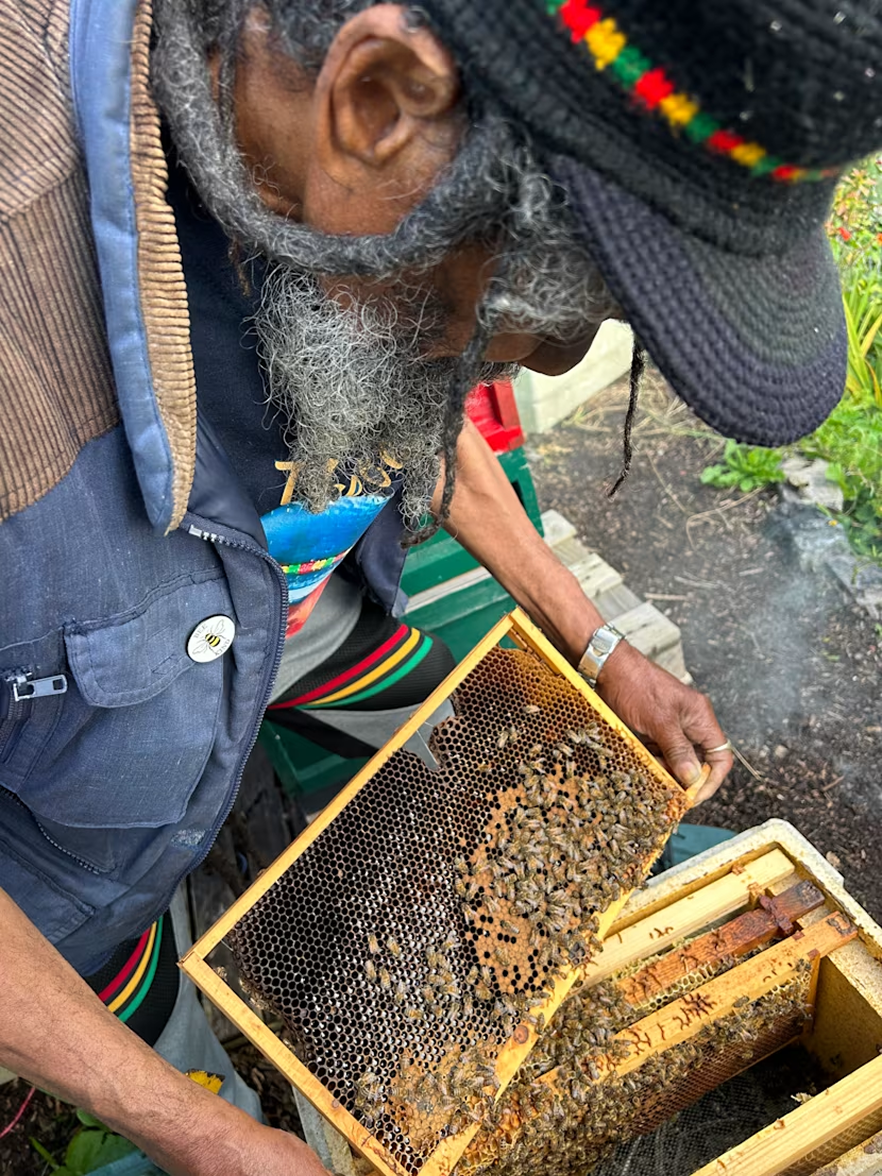
GRUB (Grow-Urban) is a community-led wellbeing programme using nature-based activities to support mental health, physical wellbeing, and social connection among Tuebrook residents.
Get involved with GRUB. Through activities such as planting parties and beekeeping, we aim to create an organic kitchen at our newly acquired Clubmoor Allotment site. Participants can build practical gardening skills, learn to grow affordable food, herbs, and edible flowers, and develop their understanding of food security while helping to create a natural environment that supports pollinators and biodiversity. Everyone is welcome.
FAQ’s
Family-friendly: Planting Parties are suitable for all ages, making them an ideal activity for families. Everyone is welcome.
Sessions are free, and we will support you as you design, plan, plant, and grow your own food.
Meet new people, make friends, and work together to create a greener, healthier neighbourhood.
Educational: Learn valuable green skills, from beekeeping to practical, sustainable, chemical-free gardening.
Health and Well-Being: Eat well, live well, and build confidence, pride, and a sense of achievement.
Have fun: Dig, plant, and harvest while improving your physical and mental wellbeing through working with nature.